Nightstand (August 2015)

My library is celebrating 100 years this year – and, as part of their celebration, they’re inviting library patrons to try to read 100 books this year (with the opportunity to read great prizes, they say.) The only stipulation is that the books must be at least 100 pages in length (do I sense a theme here?) As of today, I’ve read 72 books over a hundred pages (I only wish I’d noted the pages – I’ve seen others tabulate how many pages they’ve read, and that’s a pretty good idea.) That’s 72% of the way to 100 and it’s 65% of the way through the year, so… I think I might make it to 100 :-D

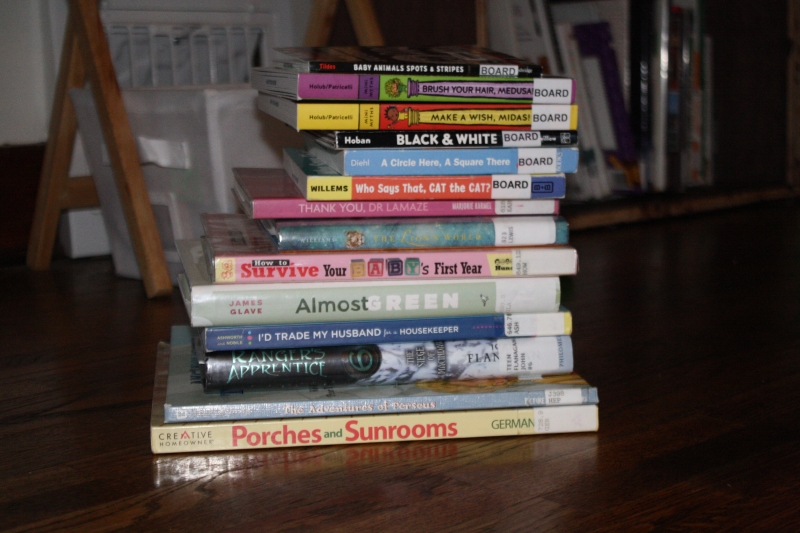
First load of library returns

Fiction read this month:

  • The Siege of Macindaw by John Flanagan
    I am continuing to enjoy the “Ranger’s Apprentice” series – the former castle wards turned apprentices are now in their first duty posts, handling a tricky situation up North. Will and Horace have to figure out how to siege Macindaw with fewer men than are within the castle walls – and they have to do it before something horrible happens to Alyss, a prisoner within the castle tower.
  • The Adventures of Perseus by Peter Hepplewhite
    An episodic recounting of the myth of Perseus, with cartoon-like illustrations and a call-out box or two per double-page spread giving background information on the current episode. For example, in the episode entitled “Perseus rescues his mother”, a call-out box titled “Ask the storyteller” asks “What happened to Medusa’s head?” I’d say this is probably a good choice for mid- to upper- elementary child.
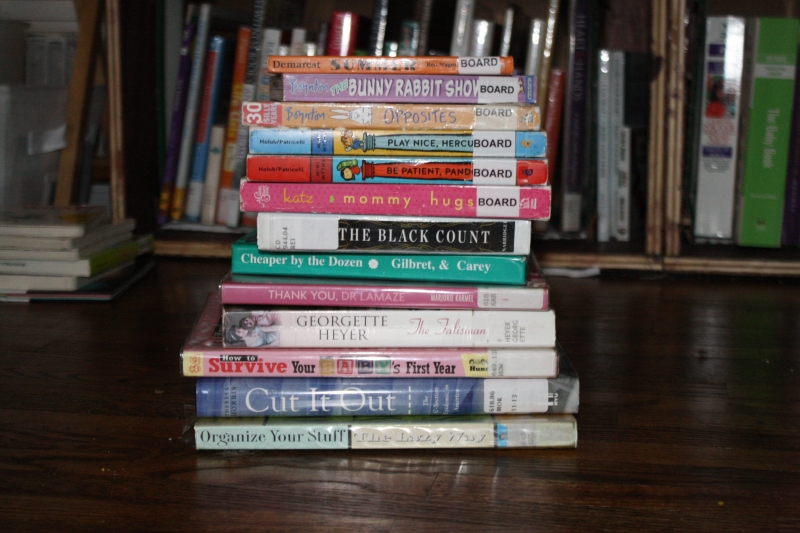
  • The Talisman Ring by Georgette Heyer
    An arranged marriage, a suspected murderer, a free-trader, an actual murderer, and a runaway bride? This Heyer novel had me laughing out loud – and quite unable to communicate why to my husband. Heyer just has a knack for hilarious interpersonal interactions (but ones that you can’t always understand in just an excerpt!)
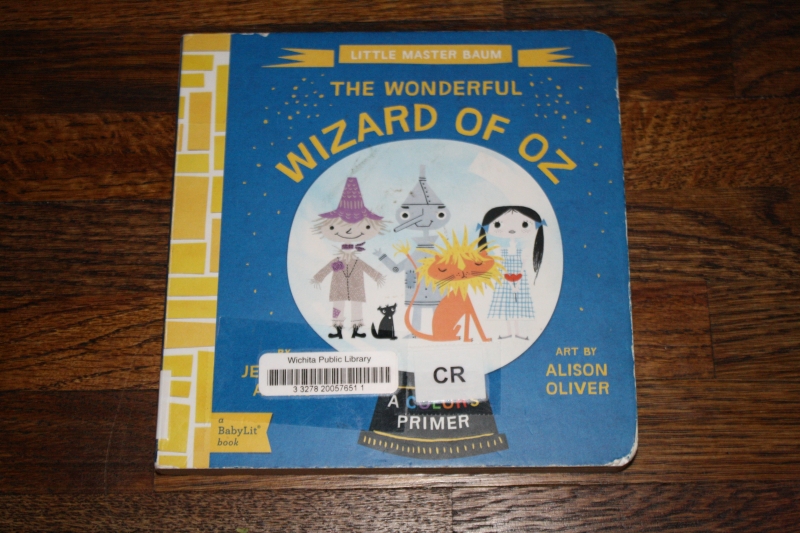
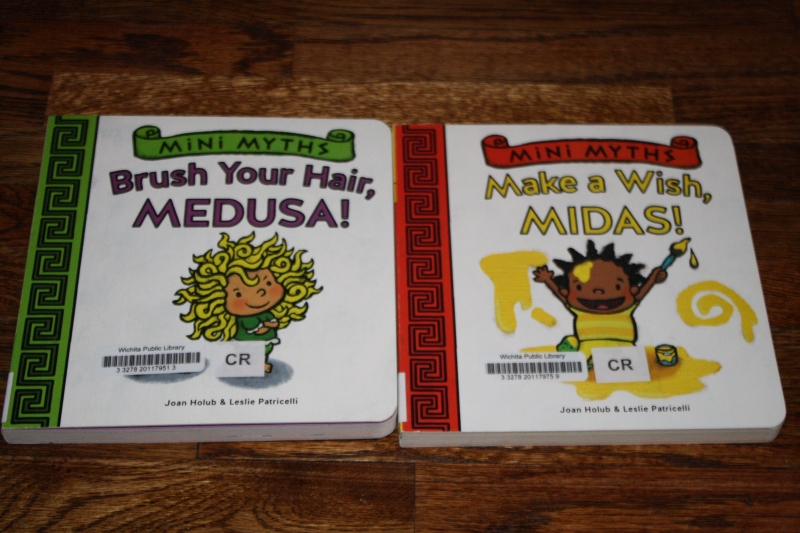
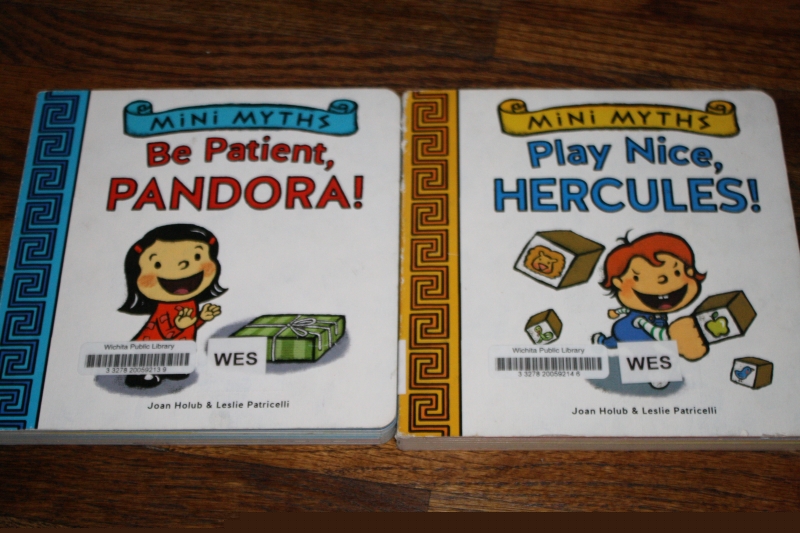
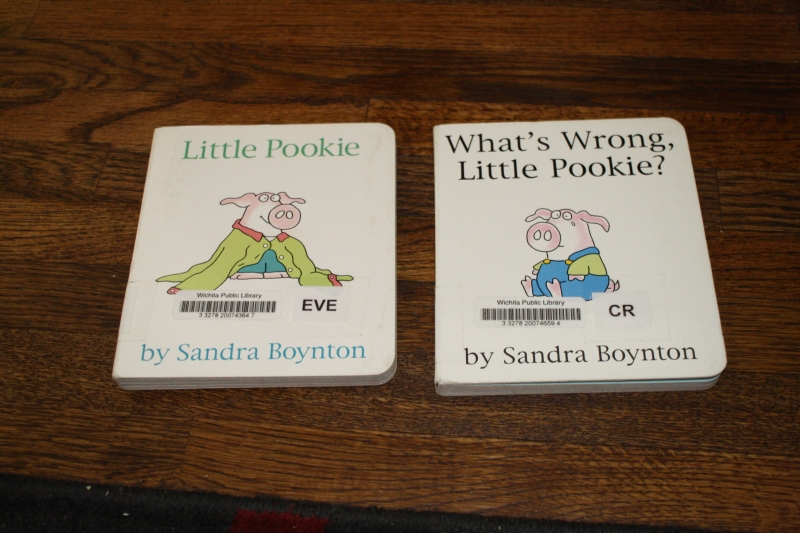
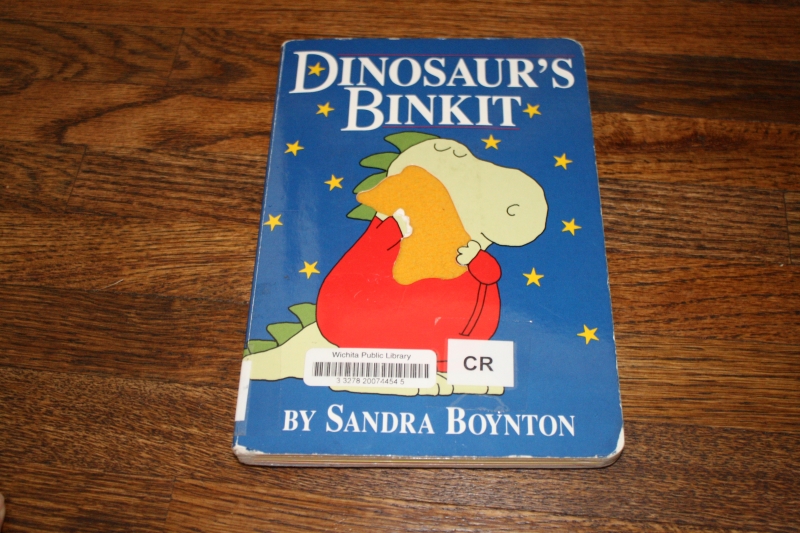
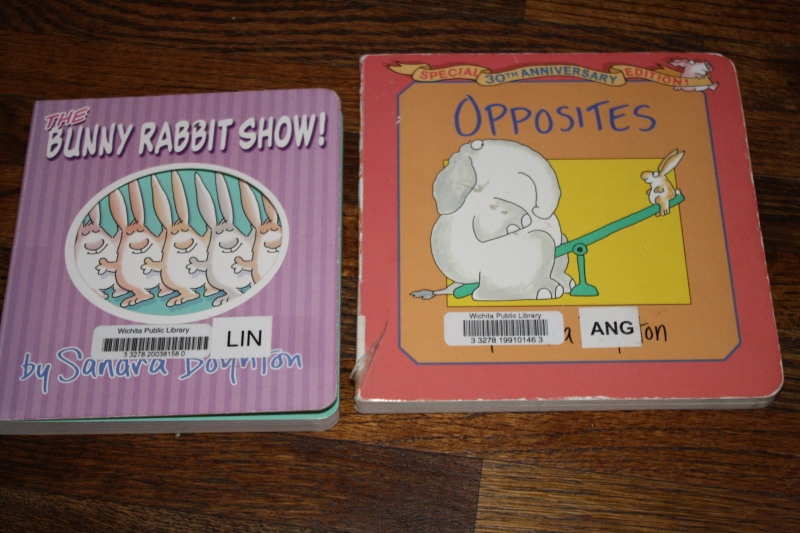
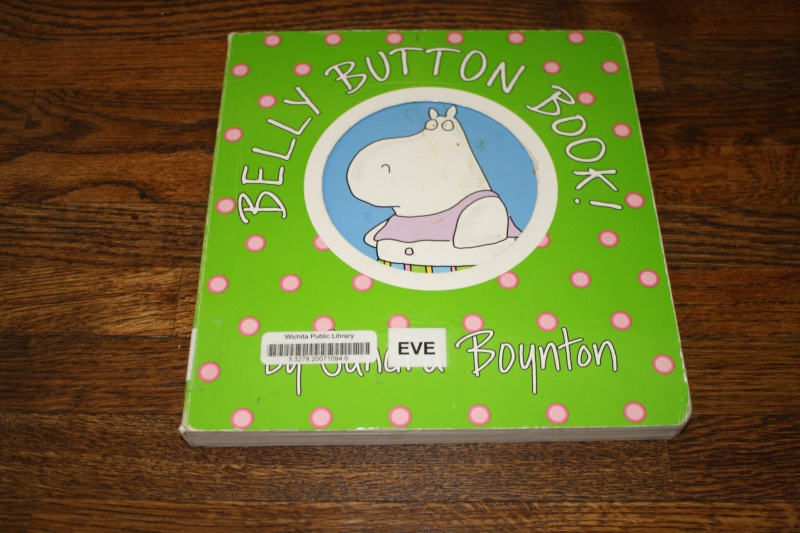
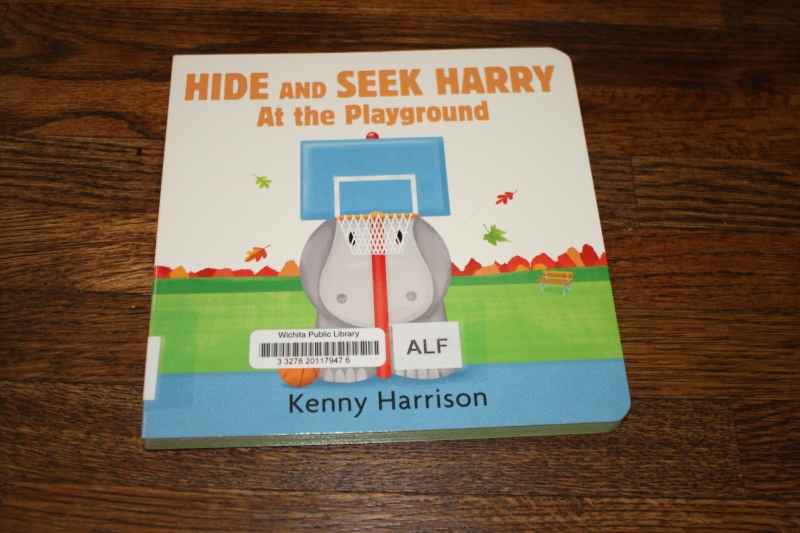
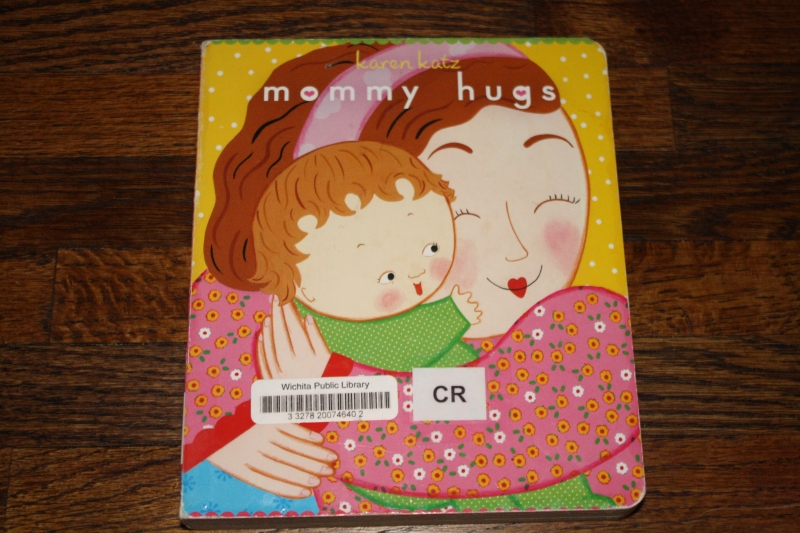
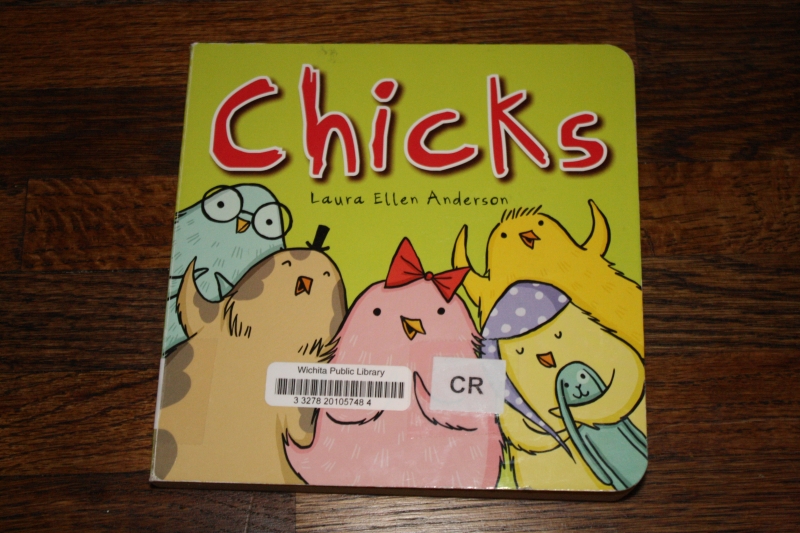
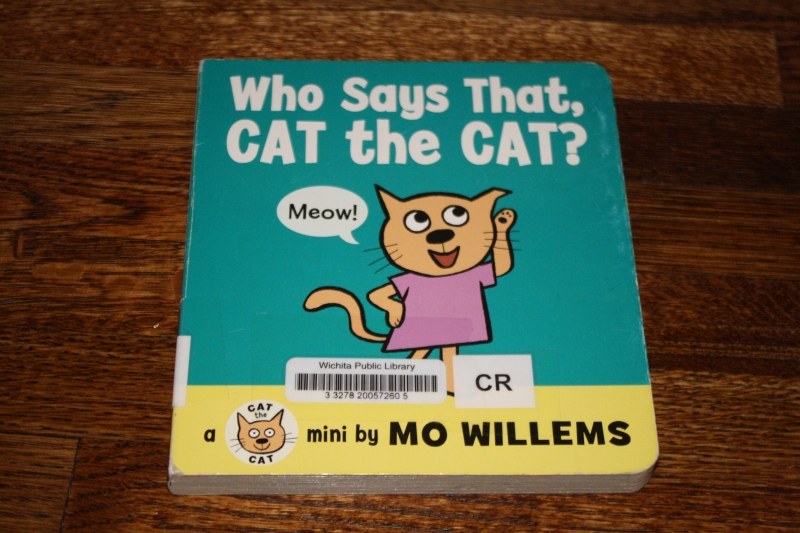
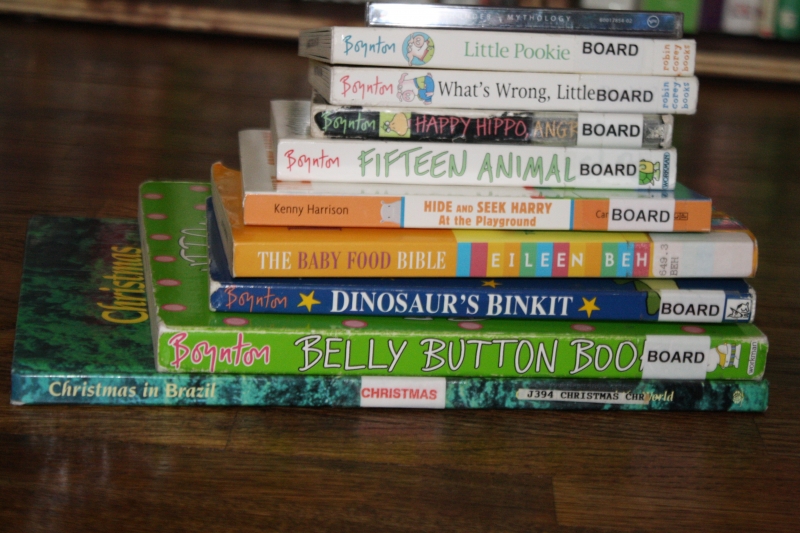
  • 18 board books
    Tirzah Mae and I have been doing lots of reading this month!

Nonfiction read this month:

Books about Family Issues (Marriage, Childbirth, Baby Care):

  • I’d Trade My Husband for a Housekeeper by Trisha Ashworth and Amy Nobile
    An expansion on a chapter in I was a Good Mom before I had Kids, by the same authors. My opinion of this book is about the same as my opinion on the chapter in the earlier book – generally good advice but the women they talk to can be incredibly disrespectful to their husbands. You can find my full review here.
  • Thank You, Dr. Lamaze by Marjorie Karmel
    A fascinating memoir of Karmel’s experience giving birth naturally in France using Dr. Lamaze’s variation on “Pavlovian childbirth” – and then of applying that same method while giving birth in America. For those who are into birth or the history of birth (okay, I might be the only one?), this is absolutely riveting. Read my full review here.
  • Cut it Out! by Theresa Morris
    A fascinating sociological exploration of the current c-section epidemic in the US. This author argues (and quite successfully, I think) that organizational changes (mostly driven by litigation) are the primary contributer to the US’s astronomical c-section rate. Morris interviewed hundreds of healthcare providers and recently postpartum women and includes extensive quotes throughout the book. Definitely worth reading if the subject interests you at all (I read it in two, maybe three sittings?)
  • How to Survive Your Baby’s First Year by Hundreds of Heads
    Lots of dogmatic black-and-white advice with little by way of usable tips – except the oft-repeated (and, in my opinion BAD) advice to “do what works for you”. Read my scathing review here.
  • The Baby Food Bible by Eileen Behan
    Somewhat dated and doesn’t address a lot of the hot-button issues (or many of my favorite soapboxes), but a good resource for a mom of an infant under 8 months who intends to make her own baby food purees. Read my full review here.

Second load of library returns

Books about Building a Home:

  • Almost Green by James Glave
    A freelance writer tries to build a super-green studio workspace in his yard. Interesting in parts, insufferably supercilious in others. I don’t really recommend it. You can, however, read my full review here.
  • Porches and Sunrooms by Roger German
    A full-color resource for planning, building (or renovating), and repairing a porch, three-season-room, sunroom, or conservatory. I enjoyed all the photos of lovely porches – and gained what I think will be useful information about the process of building a porch.

Books about History:

  • Caesar and Christ by Will Durant
    I’ve been listening to this one off and on since April – and I finally finished it (it’s only 30 discs long!). It’s a fascinating look at the history of Rome – from the foundations to the fall. I’d like to read it again someday – and I see this as potentially being a great resource for a high school study of ancient history.
  • The Black Count by Tom Reiss
    The story of the novelist Alexandre Dumas’ father, also names Alexandre Dumas. Dumas was a mullato from French Saint-Domingue who participated in the French Revolution, even becoming general-in-chief of the French Republican Army. After participating in Napoleon’s unsuccessful invasion of Egypt, Dumas became a prisoner in Naples while Republican France devolved into a totalitarian regime under Napoleon. This was a intriguing story of the French Revolution and of race relations in revolutionary and post-revolutionary France.

Other nonfiction:

  • Cheaper by the Dozen by Frank B. Gilbreth Jr. and Ernestine Gilbreth Carey
    This month’s pick for my in-real-life bookclub. I love how this story reminds me of my own childhood – both because of similarities between our stories and because of how the Gilbreth story influenced our family culture when I was a teen.
  • Christmas in Brazil by World Book
    Brazil has some rather different Christmas season traditions. Interesting.
  • The Lion’s World by Rowan Williams
    A delightful conversation about themes in Narnia; like a chat with one of the smartest people you know, who also happens to be a lover of Narnia. You can find my full review here.
  • Organize Your Stuff the Lazy Way by Toni Ahlgren
    Not particularly well-organized for a book on organizing – and tremendously dated (about half of the book applies to stuff that no longer exists thanks to technological changes).

Third load of library returns

Don’t forget to drop by 5 Minutes 4 Books to see what others are reading this month!

What's on Your Nightstand?


We’re Mediterranean

If Tirzah Mae were forced to claim an ethnic heritage, the most honest answer would have to be “German”. The daughter of two mutts, she ends up 9/16ths German (more than her mother can claim!)

She has the blue eyes and fair complexion that testifies to her northern European heritage.

But three things bear witness to her small but significant Mediterranean heritage.

The most obvious to outsiders is the Garcia last name, passed down from a Spanish great-great grandfather (actually, it was his mother’s name, but immigration recorded it incorrectly so Garcia we are.)

The least obvious to outsiders is Great Grams’ spaghetti sauce. Tirzah Mae’s Italian great-great grandmother taught the recipe to her German daughter-in-law. Tirzah Mae’s German great-grandmother taught it to her own German daughter-in-law. And when Tirzah Mae’s mother (who is mostly a mutt, but 3/8ths German) married her father? He handed her his mother’s recipe for Great Grams’ spaghetti sauce. And at least once a month, we make up a pot, serving it (when the German mutt mother remembers) with Mediterranean green olives.

And right in the middle, there’s the bit of Tirzah Mae’s Mediterranean heritage that infuses our everyday life.

Daniel is papa, as was his father, as was his father. It makes sense. Papa is dad both in Spanish and Italian.

And since Daniel is papa, I am mama. It doesn’t make sense, you see, for Daniel to be papa and me mommy. Papa and mommy don’t go together.

So despite my protestations that Daniel and I, and our Tirzah Mae, are All-American and that, if anything, we are of Northern European stock, I am forced to admit that we are not uninfluenced by Daniel’s Southern heritage.

I am reminded, daily, as I try to decide whether to change the storybook’s words from “Mommy” to “Mama”. I am reminded when I can rule out half of the onesies in the store as being ineligible for purchase, since they declare the wearer “Mommy’s” or “Daddy’s” or “Mom’s” or “Dad’s” little girl.

Tirzah Mae hasn’t a mom or a dad. She has a mama and a papa.

Because.

We’re Mediterranean.


Recap (2015.08.23)

In my spirit:

  • Considering how proper motivation keeps our theology from going off the tracks (1 Timothy, see “Why Do I Study God?)
  • Having just taught the fall to my three-year-old Sunday School class, I’m pondering anew how God provides everything we need, how His rules are for our good, how Satan lies, AND how God responds to our sin by providing a serpent-crushing Savior. What a God.

In the living room:

  • I started doing “real” knee pushups this week instead of this wimp-out version I learned while I was pregnant (when my belly wouldn’t allow me to do the real kind). Those real ones definitely give the back and shoulders a better workout.
  • Tirzah Mae was teething this week – so I’m learning to roll with the punches and resume cleaning routines when I can.

In the kitchen:

  • Tuna Rotini. I don’t remember ever using a recipe to make this main-dish tuna and pasta salad – but I’ve been making it since I was ten or so, and it’s always a great hot-weather meal. We almost had it as a picnic on Monday (except that I forgot to grab the picnic basket with the utensils and plates, so we brought it back home and ate it at the table.)
  • Great-Grams’ Spaghetti – Great Grams was Italian and her recipe has been passed down to daughter-in-law after daughter-in-law, until it got to me. We LOVE it.

In the nursery:

  • After just two days of near constant nursing, Tirzah Mae’s second front-bottom tooth emerged.
  • Daniel and I have long enjoyed blowing raspberries on Tirzah Mae’s tummy – but this week she learned to reciprocate.
  • Another new skill this week: clapping.
  • Also, the diaper changing gymnastics are on.

In the craft room:

  • Due to unusual body morphology, I’ve long had difficulties finding shirts that fit. My current shirts are pretty much all stretched out, having made it through a pregnancy (nope, I never ended up buying any maternity stuff). I considered going to the store to purchase some new ones (knowing my usual difficulties) – and then decided I’d see if I could draft myself a good pattern so I could just make myself some that really fit. I spent a good part of the weekend working on it – and have finally arrived at a basic t-shirt pattern that should work well.

In the library:
aka “Books added to TBR list”

  • The Case of the Missing Moonstone by Jordan Stratford (added based on Amy’s Review)
  • Between You and Me: Confessions of a Comma Queen by Mary Norris (added based on Alice’s Review – I like me a good grammar story :-P)
  • Circus Mirandus by Cassie Beasley (added based on Sherry’s review)
  • Lilliput by Sam Gayton (added based on Carrie’s review – I don’t have a problem with fan-fic, and I liked Gulliver’s Travels)
  • Pippi Longstocking by Astrid Lindgren (added based on Amy’s Review – and seriously, why haven’t I already read this?)

In the garden:

  • Rain, rain, and more rain this week means… cucumbers, but not enough sun to ripen my tomatoes.
  • I sat down and started working up a plan for next year’s garden – I think I might end up trying to triple my garden size next year (from 1 to 3 4×8 beds.) Am I crazy, or is this doable? I’ve got a nice amount now for eating, but would really like to be able to preserve some next year.

On the land:

  • We had our four-corners no-start survey on Monday – so we now know what land we actually own (as opposed to guessing based on where the fences are and the neighbors have mowed!)
  • And we went out and staked out the house (and where the driveway culvert will go) with our builder yesterday. Moving right along!

On the web:

  • 9 Parenting Truths from John Piper

    “Be radically consistent and authentic in your own faith — not just in behavior, but in affections. Kids need to see how precious Jesus is to mom and dad.”

    ~John Piper

    I love this – especially because this was something I saw modeled so well. I was recently telling a friend what it meant to me as a child to see my dad tear up as he read the gospel in some passage of Scripture, so overwhelmed he was by the grace of God. That’s a heritage that can’t be forgotten.


Why do I study God?

J.I. Packer begins his modern-day classic Knowing God with an apologetic of sorts for the practice of theology.

He quotes a Spurgeon sermon to say that the study of theology humbles us, expands us, and consoles us. He attempts to convince us that the study of God is essentially practical and relevant. He tells us what he intends to cover in our study of God: the Godness of God, the powers of God, the actions of God, and the character of God. And, he begs us stop and consider our motivations.

“We need to ask ourselves: what is my ultimate aim and object in occupying my mind with these things? What do I intend to do with my knowledge about God, once I have got it? For the fact that we have to face is this: that if we pursue theological knowledge for its own sake, it is bound to go bad on us.”

The truth of Packer’s caution was driven home when I began to inspect 1 Timothy, the book I have taken up for study after finishing Titus last week. In 1 Timothy 1:3-7, Paul writes of the reason for which he has left Timothy in Ephesus.

“As I urged you when I was going to Macedonia, remain at Ephesus so that you may charge certain persons not to teach any different doctrine, nor to devote themselves to myths and endless genealogies, which promote speculations rather than the stewardship from God that is by faith. The aim of our charge is love that issues from a pure heart and a good conscience and a sincere faith. Certain persons, by swerving from these, have wandered away into vain discussion, desiring to be teachers of the law, without understanding either what they are saying or the things about which they make confident assertions.”

Paul contrasts his motivation in giving the charge to avoid teaching false doctrine and spurious matters with the motivation of those who are teaching false doctrine and devoting themselves to spurious matters. Paul is motivated by love, by a pure heart, by a good conscience, and by a sincere heart. The “certain persons” have swerved from these, wandering into vain discussions, making confident assertions about things they don’t understand.

It makes sense. When am I most bound to misunderstand or misrepresent the gospel? When am I most bound to spend my time fighting about nonessentials? Is it not when I am seeking self-glorification (the opposite of selfless love)? Is it not when I am seeking to gratify impure desires? Is it not when I am seeking to assuage a guilty conscience? Is it not when I am trusting self rather than God?

So what is my motivation in studying? Is it love for God and my fellow man? Is it a pure heart, a good conscience, a sincere faith?

Maybe. But not always. Often, my motivation is to feel good about myself. To have something to blog about. To show how much knowledge I have or how deep a thinker I am. I swerve all too often from love, a pure heart, a good conscience, and a sincere faith.

Does that mean that I ought not study the Scripture, since I am bound to go wrong?

Certainly not.

Instead, it is a call to start my study where I’d rather not. It is a call to start my study on my knees, acknowledging my sinful desires, my sinful motives, my sinful actions. It is a call to start my study at the cross, begging God to yet again replace my heart of stone with his own heart. It is a call to approach my study as one who desperately needs for the Scripture to change me.

And, having studied, I must purpose to confess my sin as revealed in light of God’s truth. I must purpose to be obedient to God’s instruction as revealed in God’s word. I must purpose to glorify the One who is the object of my study.

Packer writes of it thus:

“Our aim in studying the Godhead must be to know God Himself the better. Our concern must be to enlarge our acquaintance, not simply with the doctrine of God’s attributes, but with the living God whose attributes they are. As He is the subject of our study, and our helper in it, so He must Himself be the end of it. We must seek, in studying God, to be led to God. It was for this purpose that revelation was given, and it is to this use that we must put it.

How are we to do this? How can we turn our knowledge about God into knowledge of God? The rule for doing this is demanding but simple. It is that we turn each truth that we learn about God into matter for meditation before God, leading to prayer and praise to God.”

May we ever have a heart to do so.


I’m reading J.I. Packer’s Knowing God along with Tim Challies’ “Reading Classics Together” bookclub. You can find Challies’ post on the first two chapters here. A couple bloggie friends are also participating and have posted this first week (I can link to them because I’m a day late in posting!) – Check out what Barbara and Lisa have to say about chapters one and two. And…it’s not too late to read along – we’re reading just two chapters per week and this is just the first week :-)


Thankful Thursday: Teething

It’s another of those weeks when thankfulness seems hard – but really, it isn’t all week. If I could think beyond the fog of the past two days, I know there are plenty of wonderful things that it would be easy to thank God for.

But the past couple of days have not been particularly pleasant. If I’d have known Tirzah Mae’s nap on Tuesday afternoon would last ten minutes, I wouldn’t have started scrubbing the bathtub. If I’d have known the next one (after I’d nursed her back to sleep) would last 12 – well, I don’t know exactly what I’d have done if I’d have known this was coming.

THIS, of course, is teething. Her second tooth broke gums yesterday, but she is apparently not done yet. She slept with me the last two nights, by which I mean that she slept in five to ten minute segments on top of me while I moved my head back and forth desperately trying to get comfortable before she awoke with another desperate scream and started scrabbling for the breast.

I didn’t get dressed yesterday. I didn’t have opportunity to take a shower. She was eating at least every 15 minutes, with only catnaps in between.

It doesn’t feel like I have anything to be thankful for.

But I must apply correct theology to teething and recognize that even a sleep-deprived mother has plenty to be thankful for.

Today I am thankful that God is infinitely more patient with me, His child, than I could ever be with my daughter.

Today I am thankful that God’s grace to my daughter is infinitely deeper than I could ever extend to her.

Today I am thankful that God sustains mothers and comforts children.

And I begin to repeat myself in my mind and as I type: Today I am thankful that God is patient.

I hear Tirzah Mae fuss from the bed where she has been sleeping for the past half hour (why, oh, why did she decide to make that longest stretch after I’d already had my morning coffee?) and I no longer have opportunity to think up new thankfulnesses.

So I repeat those again and again.

Thank you, God, that you are patient. Thank you, God, that you are gracious. Thank you God that you sustain me and comfort my daughter.


Book Review: How to Survive Your Baby’s First Year by Hundreds of Heads

Once upon a time, when I was young and before I had children, I read a book in which parents shared their best parenting tips. I thought it was fascinating – seeing all the different parenting styles, all the little tips and tricks for staying sane and organized, for getting past diapering or potty-training troubles, for dealing with picky eaters and supermarket tantrums.

So I figured I’d probably like the Hundreds of Heads Survival Guide: How to Survive Your Baby’s First Year “by hundreds of happy moms and dads who did”.

I was wrong.

Perhaps the types of tips and quality of advice has changed in the years between the two books’ publications (this one was published in 2005). Or perhaps I’ve become more dogmatic about my own parenting philosophies. Perhaps it’s both. But the advice in this book generally struck me as same-old-same-old millenial parenting advice that, in my opinion, hasn’t worked out so well. Okay, maybe the parents survived the first year, but the kids grown up on this sort of advice have issues.

Perhaps I remember wrongly, but it seems the book I remember reading was filled with tips – different ideas for organizing the changing table or for repurposing those wipes containers or for household items that make great toys for an infant or whatever.

The advice in this book is more like: “Breastfeeding is the best thing you’ll ever experience”, “Don’t breastfeed, it sucks”. “Spanking is the absolute worst thing you can do to your child”; “A pop on the butt is all it takes”. Or it’ll be mom ratting dad out for how he doesn’t know that a child should only be left in time out for as many minutes as he is years old (a 3-year-old for 3 minutes). Oh, really? Since when did that become an unbreakable rule? (Note: if a mom said, “I generally give my kids a timeout corresponding to their age – I find it suits their attention spans and gives them enough time to calm down without making them get impatient”, I’d be “Oh, neat tip.”)

Of course, all this dogmatic side-taking doesn’t stop the steady stream of “do what works for you” language. Which reminds me of a recent PJTV Parenting Round Table in which the contributers were asked “What’s the Best (and Worst) Parenting Advice You’ve Ever Received?”

Leslie Loftis gave the best answer (in my opinion):

“The Best advice came from my college mentor and mother of two: Aim for the kind of person you want them to be at 35, not what you want for them tomorrow.

The worst advice was also the most common advice: Just do what works for you and your family. In practice, it is the reverse of the best advice. It encourages short term thinking. What is right is what works right now. Sometimes necessity must have her way, but usually doing what works right now means avoiding little problems and letting them fester until they become big problems that are much harder to solve.”

And that, in short, is why I didn’t like How to Survive Your Baby’s First Year. It’s full of dogmaticism about pretty much anything (most of which are non-essentials) – combined with a total lack of long-range thinking.


Rating: 1 star
Category: Parenting – Baby Care
Synopsis: Parents give dogmatic advice on the major first year parenting questions – while constantly proclaiming “do what works for you”.
Recommendation: I don’t recommend it.


Book Review: Thank You, Dr. Lamaze by Marjorie Karmel

Marjorie Karmel had no intention of reading Grantley Dick-Reed’s Childbirth without Fear, which a friend had pressed into her hands at a dinner party. Marjorie wasn’t afraid of childbirth. She’d be out, after all.

But when she was desperately seasick on her trip back from New York to France, she picked up the book and started reading, fascinated. The book brought up all sorts of repressed memories (a terrible story of her mom’s delivery of her, a friend who’d told her about her own not-so-pleasant delivery, all previously forgotten) but also gave her hope for another way.

She asked around in Paris, searching for a doctor who’d be willing to let her try a natural childbirth – and found Dr. Lamaze.

Dr. Lamaze practiced a form of “Pavlovian childbirth”, based on Ivan Pavlov’s conditioned reflexes. Apparently, this form of childbirth was popular in the Soviet Union – but Lamaze advanced the technique, adding certain breathing methods and whatnot.

In Thank You, Dr. Lamaze, Marjorie Karmel writes of the wonderful experience she had giving birth to her first child in a Parisian hospital with a monitrice (doula) who’d taught her the Lamaze techniques and Dr. Lamaze attending – and she tells of using that same technique to give birth naturally in a New York hospital with much less natural-childbirth-friendly practices (and practitioners.)

I raced through this memoir, finding it absolutely fascinating.

Why? What was so interesting?

Well, the first is obvious. I love the process of birthing, love learning about the process of birthing. I wanted to be a midwife when I was a kid. I’d still love to be a midwife. It’s amazing.

But beyond that, it was interesting because it was a story of birthing practices at a certain point in time – and was a story that sparked significant changes in how birthing is done in America. It is through Karmel’s “ASPO” (American Society for Psychoprophylaxis in Obstetrics), now called “Lamaze International”, that things like having your husband present during labor and delivery became mainstream in America. Yet some of the aspects of how Karmel gave birth have been rejected by modern natural childbirth organizations, including Lamaze International.

Another interesting aspect was hearing about Karmel’s experience trying out a “natural childbirth course” at an American hospital. The class was led by a facilitator rather than a teacher – and the facilitator kept pointing out how every woman is different (and therefore there aren’t any general principles for women to learn to help them understand the process) and how medications will always be available if needed. The bulk of the class ended up being women talking about their past experiences or expected experiences – with very little learning about the actual process of birth or of ways to deal with it. I thought Karmel’s description was fascinating, because I feel like I’ve heard about that same class – except taught in these days :-)

It’s a short book, an easy read, and interesting to people like me. :-)


Rating:4 stars
Category: Birth Memoir
Synopsis: Karmel shares her story of giving birth naturally in a Paris hospital with Dr. Lamaze’s techniques – and of applying the same techniques in a New York hospital with less aware attendants.
Recommendation: Definitely worth reading for those who enjoy this sort of thing


Book Review: The Baby Food Bible by Eileen Behan

Face it, feeding a baby is hard work. Whether at the breast, from a bottle, or at the table, infant feeding takes time, energy, and savvy. (And don’t even get me started on the cleanup!)

For the health savvy mom, feeding a baby can be even harder – there’s so much conflicting information, so much advice, so many different ways to go. Start at four months or six? Rice cereal or avocado as a first food? Wait 3-5 days between foods or introduce mixtures at will? Cut grapes into quarters or sixteenths? Jarred or homemade baby foods? Or maybe baby-led weaning is the way to go? Should I choose organic foods or are conventionally grown foods okay? Should my baby eat salt? Sugar? Dairy foods? Soy foods? Wheat? Peanuts? The list of potential questions goes on and on.

I wish there were a good quality book that addressed all these issues (and addressed them the way I do – because, of course, I know it all :-P), but unfortunately, to my knowledge, no such book exists.

Eileen Behan’s The Baby Food Bible does a pretty good job though as a basic resource for moms. Behan, a dietitian who works with families, does a decent job summarizing general infant feeding recommendations as of 2008 when The Baby Food Bible was published.

The largest section of the book is a list of healthy food items (from all the food groups), discussing how moms can make them into purees for their infants and how they can incorporate those foods into family meals. She gives easy “recipes” for the purees, including how much water to use per unit of food and both stovetop and microwave cooking times. For the mom who’s going the puree route (which you don’t have to, by the way – Tirzah Mae ate purees maybe twice), it’s a good resource. The next largest section is a collection of multi-ingredient recipes that can be pureed to be fed to babies, as well as to the rest of the family. Again, if you’re going the puree route, it’s a good resource.

Now, every so often, Behan says something about a specific food that reflects traditional infant feeding biases that I don’t agree with (and that don’t have research to back them up) – like when she says that cucumbers are “not recommended for infants”, but are “a good snack food for older toddlers.” It’s true that cucumbers do not puree well, but I don’t see any reason why an infant eating stage 3 or 4 foods shouldn’t have little chunks of the inner portion of a cucumber (Tirzah Mae does whenever we’re eating cucumbers). Likewise, Behan writes that “onions are not a baby food” and suggests only that they can be included in recipes for older children because they add flavor. I’ve never seen any reason to avoid onions with babies (except cultural biases against it) – and we eat sauteed onions (or sauteed onions and zucchini or onions and peppers or…) rather frequently.

Other recommendations Behan makes are outdated – the most notable being that she gives the (then current) recommendation to avoid potentially allergenic foods in the first year. Pediatricians and dietitians had been giving that advice for years based on a “better safe than sorry” principle while research was being conducted to determine whether it made a difference. Well, in the past 2 (maybe 3?) years, the research has come out and indicates that holding off on potentially allergy-causing food has the exact opposite effect than the one we’d hoped for. We now know that introducing potential allergens between the ages of 4 and 6 months has a protective effect against the development of food allergies.

And then there are the philosophical questions that don’t necessarily have scientific evidence on their side – organic foods, local foods, humane foods, etc. Behan generally jumps on the bandwagon with each of these, although she does acknowledge to some degree that parents may have different priorities.

So… now for the difficult part. Do I recommend The Baby Food Bible?

If you’re a mom with a baby younger than 8 months, you intend to go the puree route, and you want to learn how to make your own baby food, this is a great resource. If you’ve got a baby older than 8 months, you should be working on introducing textures (which Behan doesn’t talk a whole lot about but which I consider a very important step in ensuring healthy eating patterns into adulthood – something I believe the research supports). If you intend to skip purees – hey, I did too – wanna compare notes? If you intend to just buy staged baby food from the store, the bulk of this book won’t apply to you.


Rating: 3 stars
Category: Infant feeding
Synopsis: Behan discusses then-current recommendations for infant feeding and gives a giant list of foods and how to prepare and puree them for your baby.
Recommendation: Worthwhile if your baby is under 8 months, you intend to feed your baby purees, and you want to learn how to make your own baby food.


Recap (2015/08/15)

In my spirit:

  • Continuing to think about (and act upon) how correct doctrine (orthodoxy) leads to correct behavior (orthopraxy) as I finish up the book of Titus.
  • Thankful for a good first day in the three-year-old Sunday School today

In the living room:

  • Listening to Read Aloud Revival while cleaning this week. This is a fantastic podcast – all about creating a culture of reading in your home.

In the kitchen:

  • Bourbon Molasses Chicken, Green Onion Mashed Potatoes (I leave the peels on and used plain yogurt instead of butter or milk to “thin” these out), Sourdough Battered Fried Zucchini (An experiment that turned out quite nicely, if I do say so myself), and Garden-Fresh Tomatoes. A killer meal.
  • In Kansas, the buns are round and they’re called Bierocks. In Nebraska, the buns are oblong and they’re called Runzas. Whatever you call them, I love to have some of these cabbage and meat filled rolls in the freezer for a rainy day – and since it’s been a while since I’ve made them, we had them for supper as well
  • I’m continuing to experiment with adding additional vegetables to practically every recipe I make. The Kahari chicken was pretty good with green beans, tomatoes, and cauliflower added.
  • And sometimes you just need to make a big crockpot of burrito beans. Which is what I did Thursday – we’ll be eating them for a while.

In the nursery:

  • Tirzah Mae bit me the first time with her new tooth. Ouch! But I followed my mom’s advice and am hoping that’ll quickly teach her that biting isn’t fun.
  • We had our nine-month checkup this week – Tirzah Mae’s up to the 55th percentile for length (essentially where she started) and the 30th percentile for weight (the heaviest she’s ever been). This puts her weight compared to her length (which is much more important as a single indicator, the other two are really only valuable for trending purposes) at a very respectable 23%ile (better than the 2%ile she was used to hanging out in.)

In the library:
aka “Books added to TBR list”

In the garden:

  • We’re enjoying tomatoes and cucumbers – and the peppers are starting to go crazy (although not quite ripe yet).

On the land:

  • We closed on our construction loan Friday – which means we should be surveying, staking, and maybe even breaking ground next week!
  • It also meant we were out on the land yesterday morning making sure everything was clean and ready to go.

On the web:

  • How to Talk to the Experts – A great article about sharing your faith with someone who knows more than you do
  • ‘The System is Too Broken’ is not a good excuse – A wonderful article about foster care – and one that got to me at just the right time. We’re interested in adopting from the foster system, but I was recently reading through the foster care regulations for Kansas and was becoming discouraged because of how those regulations could potentially limit our ability to parent our children the way we want to parent them – this article reminded me again of why exactly we want to adopt.
  • Parent’s Guide to Packing Successful School Lunches – A great article about how communication can help you reduce lunchbox waste and help your child eat more healthfully.

Unavoidable tantrums

In the past several years, I’ve seen not a few web articles focused on preventing temper tantrums. The gist of each of these articles is that temper tantrums are generally the result of a child’s unmet need, often biological.

A temper tantrum happens, the expert mother-blogger writes, because your child is hungry or tired or hasn’t been told what to expect. If a mother can just make sure her child is never hungry, never tired, and never unprepared, she can prevent temper tantrums.

I never gave much thought to these articles until recently, when Tirzah Mae started throwing temper tantrums – full-fledged, beat-on-the-floor-with-her-fists, angry temper tantrums. I observed that these did indeed generally occur when she was tired or hungry.

I wondered – are the mommy bloggers right? Are Tirzah Mae’s temper tantrums biological necessities? Are they a result of poor parenting? Are they God’s fault? Are they my fault? Or does she hold some responsibility for her actions?

Then, I found myself having a temper tantrum.

I generally forget about my temper tantrums until they’re upon me.

The thing that has been bothering me all through the month, that I’ve been patting myself on the back for handling so well? Suddenly it’s too much and my blood is boiling.

I don’t need to check my calendar to know what time of the month it is. This temper tantrum – these temper tantrums – the seemingly uncontrollable frustration and anger and disappointment and rage happens like clockwork once a month.

It feels like I don’t have a choice in it, feels like my biology insists upon this temper tantrum. I try to resolve to control myself, to fight against myself. But month after month, I lose the battle.

It’s my hormones. I don’t have a choice.

I can tell myself that, but it’s not true.

Sure, my biology contributes to my tantrum – but my sin contributes more.

It’s my sin that seeks its own, that refuses to see another perspective. It’s my sin that pouts instead of presenting my requests to God. It’s my sin that rages instead of seeking resolution, that harbors grudges instead of forgiving.

So what does this teach me about parenting my daughter?

I think it teaches me several things:

First, I must pray for my daughter.

When the flesh tries to control the flesh, it fails. It is only by the Spirit of God that anyone truly develops patience, kindness, and self-control. If I, a regenerated believer who has been walking with the Lord for over 25 years, still struggle so much with my temper, how much harder must it be for my daughter? Tirzah Mae’s temper tantrums should remind me that she, that we all, are sinners at the core and in need of salvation through Christ. As a parent, I should be regularly be bringing my daughter before the Lord, pleading with Him for her salvation.

Second, I must not excuse her behavior.

Just as I cannot excuse my own temper tantrums. I cannot excuse hers. Temper tantrums must be dealt with. Simply giving in to the demands she makes will not teach her anything – it won’t teach her to control her temper or teach her to go to the Lord for help to control her temper. It will teach her that temper tantrums get her what she wants – and she will continue to have them regularly. As a parent, I need to be teaching my daughter what is and is not appropriate behavior and what will and will not produce desirable results.

Third, I must not provoke my daughter to anger.

Ephesians 6:4 warns fathers not to provoke their children to anger – but I think it applies to mothers as well. While I can not prevent all of her temper tantrums, I can learn how to gently guard my daughter from situations where she feels that a temper tantrum is her only recourse. I can, to the best of my ability, make sure she is fed before she’s ravenous by establishing regular meal and snack times. I can, to the best of my ability, pay attention to her cues and put her to bed before she becomes over-tired. I can pull her out of crowds for a time out when I see that she’s getting overstimulated.

Finally, I must trust the Lord with my daughter.

It’s so easy to think that everything our children do reflects directly on us or to think that somehow we should be able to change our children’s behavior. But it doesn’t and we aren’t. Our children are their own people – and the only One who can change their hearts (far more important than changing their behavior) is God. So we must continue to entrust our children to His keeping.